
Sponsor Interview – Digital Oil & Gas Summit, 2026
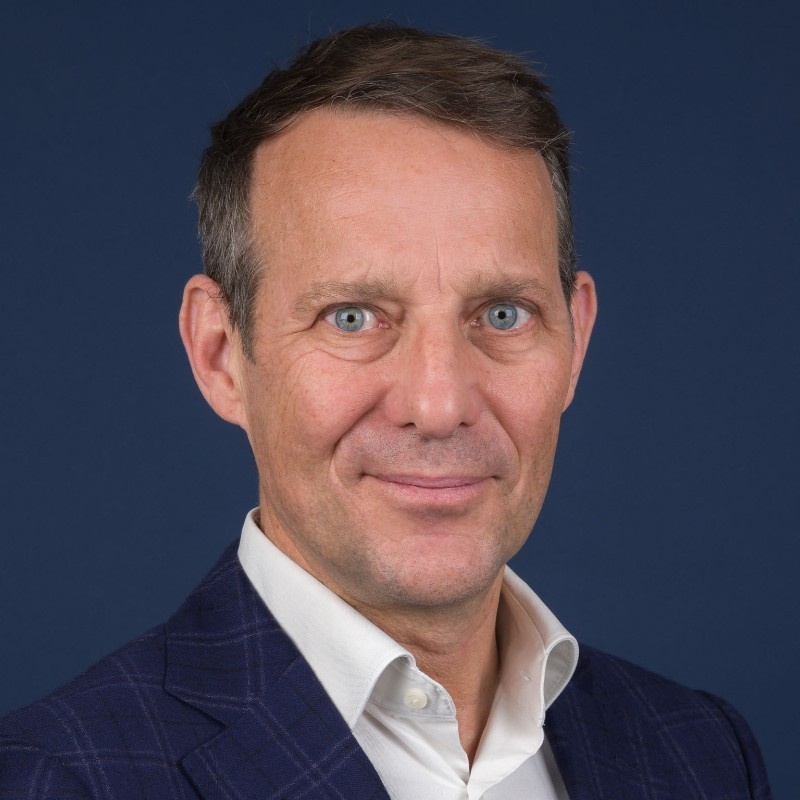
Ahead of the Digital Oil & Gas Summit, we spoke with Tjidde Boers, Global Industry Principal at Assai, about one of the most persistent operational challenges facing the sector: maintaining control of engineering information as assets evolve.
With experience supporting industrial operators, engineering firms and technology partners across Europe and Asia, Tjidde has worked closely with organisations navigating ageing infrastructure, workforce transitions and increasingly complex digital environments.
In this interview, he shares why maintaining reliable engineering information remains critical as companies pursue digital transformation and begin deploying AI in operational settings.
Can you tell us a little about your background and how your career has evolved within the oil and gas sector?
I’ve spent my career working with industrial operators, engineering firms, and technology partners across Europe and Asia. From early work in upstream gas production to supporting digitalization initiatives with major players like OSIsoft/AVEVA and Yokogawa, I’ve seen firsthand how data overload and workforce transitions challenge modern plant operations.
Where do you see organisations focusing their efforts as digital transformation continues to reshape oil and gas operations?
We respond to digital transformation by helping asset owners stay in control of their engineering information as projects are handed over and assets continue to evolve. Most initiatives improve visibility. We focus on keeping engineering information consistent and aligned across systems as assets are modified, extended, and operated over time.
When that control is missing, the impact is real: delayed handovers, unnecessary rework during modifications, difficult audits, and slower incident investigations.
“A ‘single source of truth’ often exists in theory, but organisations still struggle to confirm which version is actually approved.”
What conversations are you hoping to have with industry peers at the summit?
The outcome I hope to see is a more practical conversation about digital transformation, less focused on tools, and more focused on how we manage change in real operating environments.
If this discussion helps organizations think more clearly about handover risk, modification complexity, and long-term information control, then that’s valuable. And if operators leave with clearer criteria for evaluating digital initiatives, asking not just “What can this system do?” but “Will it still work when assets change?”, then we’ve achieved something meaningful.
Which developments in the industry are you watching most closely right now?
What excites me is the shift from AI experimentation to AI in high-consequence environments. The industry is beginning to ask a more mature question: not just “what can AI do?” but “what can we trust AI to act on?”
“The industry is beginning to ask a more mature question: not just what AI can do, but what we can trust AI to act on.”
Looking ahead, what do you see as the biggest operational or technological challenge for the industry?
The biggest challenge is cumulative complexity. Assets are ageing and being modified. Workforces are rotating. Systems are multiplying. Compliance expectations are rising.
Each of these increases pressure on engineering information integrity and loss of confidence in what is approved becomes materially risky.
In your experience, what aspects of digital transformation are organisations still struggling to get right?
What surprises me is how often “single source of truth” exists in theory, but not in practice. Organizations invest in design systems, project platforms, digital twins, yet still struggle to answer: Which version is approved? What changed? Who signed off?
Where do you see digital technologies delivering the greatest operational value today?
When done properly, digitalization converts scattered documentation into a structured, traceable engineering baseline. That shortens audit response, strengthens incident investigation, reduces rework during modifications, and enables better-informed decisions across the lifecycle.
The improvement is not just speed; it is reduced operational exposure.
“Digitalisation converts scattered documentation into a structured, traceable engineering baseline that reduces operational exposure.”
Can you share a real-world example where better engineering information management made a measurable difference?
Once a customer needed 21 days to compile approved safety information after an incident because documentation was scattered and approval status unclear. With automated asset modelling and a structured engineering information environment, that process can take less than a day.
Why do so many digital initiatives struggle to deliver their intended outcomes?
The biggest challenge is assuming technology alone solves structural lifecycle problems. Poor data quality and scattered repositories are symptoms.
The deeper issue is lack of clear control over engineering information as assets change. Cultural resistance often reflects uncertainty about what is authoritative. AI cannot compensate for unclear foundations.
If control over what is approved is missing, complexity compounds.
“Garbage in, garbage out” still applies, but more importantly, “uncontrolled inputs lead to uncontrolled risk.”
What lessons have you learned that could help organisations avoid common pitfalls in digital transformation programmes?
Start with the basics: build a trustworthy asset and document fabric before introducing advanced analytics or AI. And treat document management as a strategic capability, not an administrative task.
Start with lifecycle control, not analytics.
Before introducing AI, digital twins, or advanced analytics, ensure you have a structured and reliable engineering information foundation that survives handover, modification, and turnover.
Document management is not an administrative function; it is the mechanism through which engineering intent is preserved across decades.
Treat it as a strategic capability tied to risk and accountability.
What advice would you give professionals entering the oil and gas industry today?
Stay curious but respect lifecycle responsibility. Learn how assets actually operate in the field, and understand the safety, regulatory, and operational consequences behind engineering decisions.
Technology is powerful, but in this industry, decisions must remain explainable years later. Value experienced colleagues, because engineering intent often lives with people before it is formalized.
Experiment, but always within a framework that protects safety and accountability.
Why do you think events like the Digital Oil & Gas Summit are valuable for industry professionals?
Because the industry is moving from digitization to actionable intelligence. It’s an opportunity to learn how organizations manage handover risk, modification pressure, and AI adoption in high-consequence environments.
Importantly, it’s also a space where owner operators can challenge vendors to support open, controlled, and accountable engineering ecosystems.
What’s your advice for getting the most value from industry summits and events?
Engage actively, challenge what is said, demand open systems, share your experiences, and build connections.
The best insights come from the conversations around the sessions, not just the sessions themselves.
Tjidde, thank you for sharing your perspective with us.
Your insights highlight the growing importance of maintaining reliable engineering information as assets evolve and digital technologies become more embedded across oil and gas operations. We look forward to continuing the conversation at the Digital Oil & Gas Summit, where you’ll be joining industry peers to explore how organisations can strengthen information governance and build digital foundations that remain trusted over time.
Join Us at the Digital Oil & Gas Summit
11-12th June 2026 – Madrid | Spain
Oil & gas Operators:
Register for a complimentary delegate place using discount code COMP. Please note that qualifying criteria apply.
Technology Providers:
If you’re interested in sponsoring the summit and meeting senior industry decision-makers, get in touch with our team to learn more – kate@oilandgas-iot.com / +44 (0) 3004 8666